


EuroSMC Global Partners Meeting in Madrid (2–6 February)
Five days of innovation, real testing, and global alignment for substation protection testing
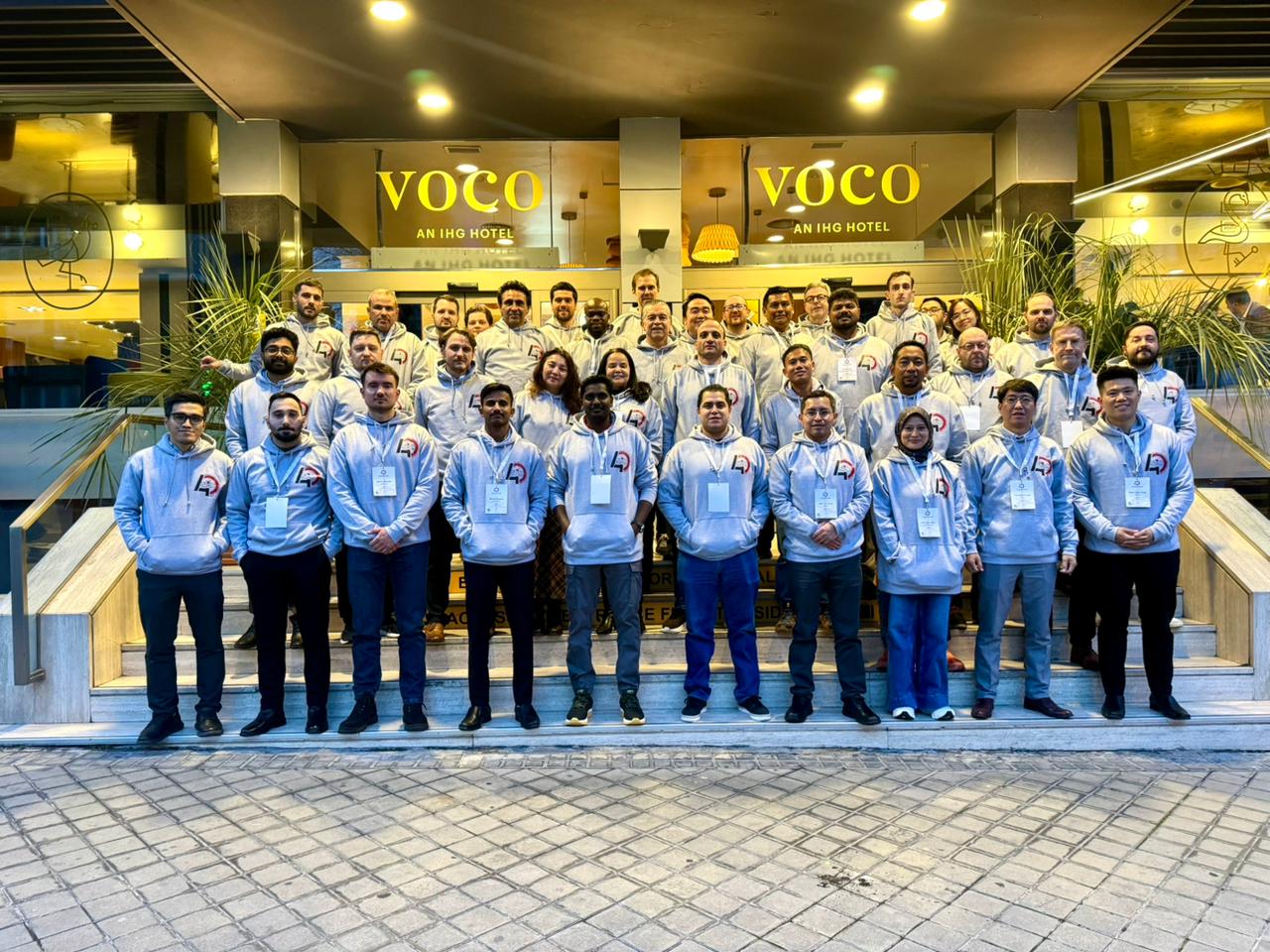
From **2 to 6 February**, EuroSMC hosted its Global Partners Meeting in **Madrid**, welcoming **around 40 attendees from more than 20 nationalities**. The week was built around a simple idea: in a field where reliability, safety and traceability matter, progress comes from combining **expert dialogue** with **hands-on validation on real assets**.
Our partners and distributors work close to the grid every day. They see the real constraints—tight outage windows, diverse assets and protection philosophies, documentation requirements, and the need for results you can trust. Bringing everyone together allows us to align technical criteria, share best practices, and translate field feedback into practical improvements and R&D priorities.
Why a global partners meeting matters
Substations are not “one-size-fits-all”. Different regions face different asset mixes, standards, and operating procedures. A global meeting helps us:
– Compare real-world commissioning and maintenance challenges.
– Align on testing methodologies and reporting expectations.
– Validate usability and repeatability across workflows.
– Collect structured feedback to improve solutions and training.
– Build a shared roadmap for smarter, more efficient testing.
Program overview: discussions, software workshops, and hands-on sessions
The agenda was organized around three pillars:
1) Technical debates and industry trends
We ran focused discussion sessions on trends shaping protection testing today:
– Substation modernization and digitalization.
– Standardization of test procedures and acceptance criteria.
– Traceability, reporting, and audit-ready results.
– Automation and repeatability to reduce human error.
– Practical constraints in outage windows and field conditions.
These conversations were especially valuable because they included perspectives from multiple regions and operational contexts.
2) Software workshops and workflow validation
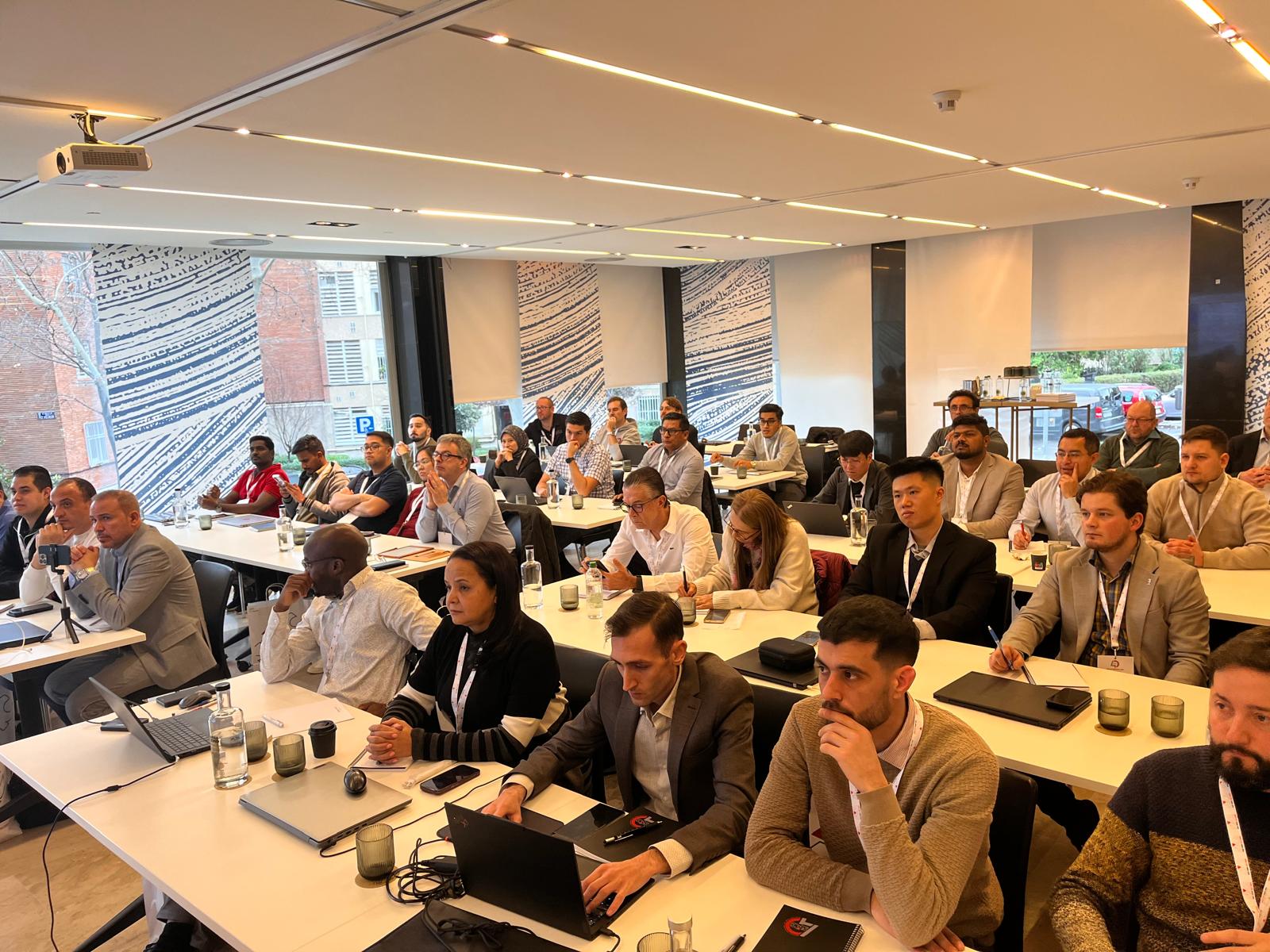
We dedicated time to software-related testing workshops aimed at improving everyday field execution: configuration speed, clarity of test outcomes, and consistency in reporting. In the field, efficiency is not optional—workflows must be reliable, guided, and easy to reproduce under pressure.
3) Hands-on: real equipment, real measurements
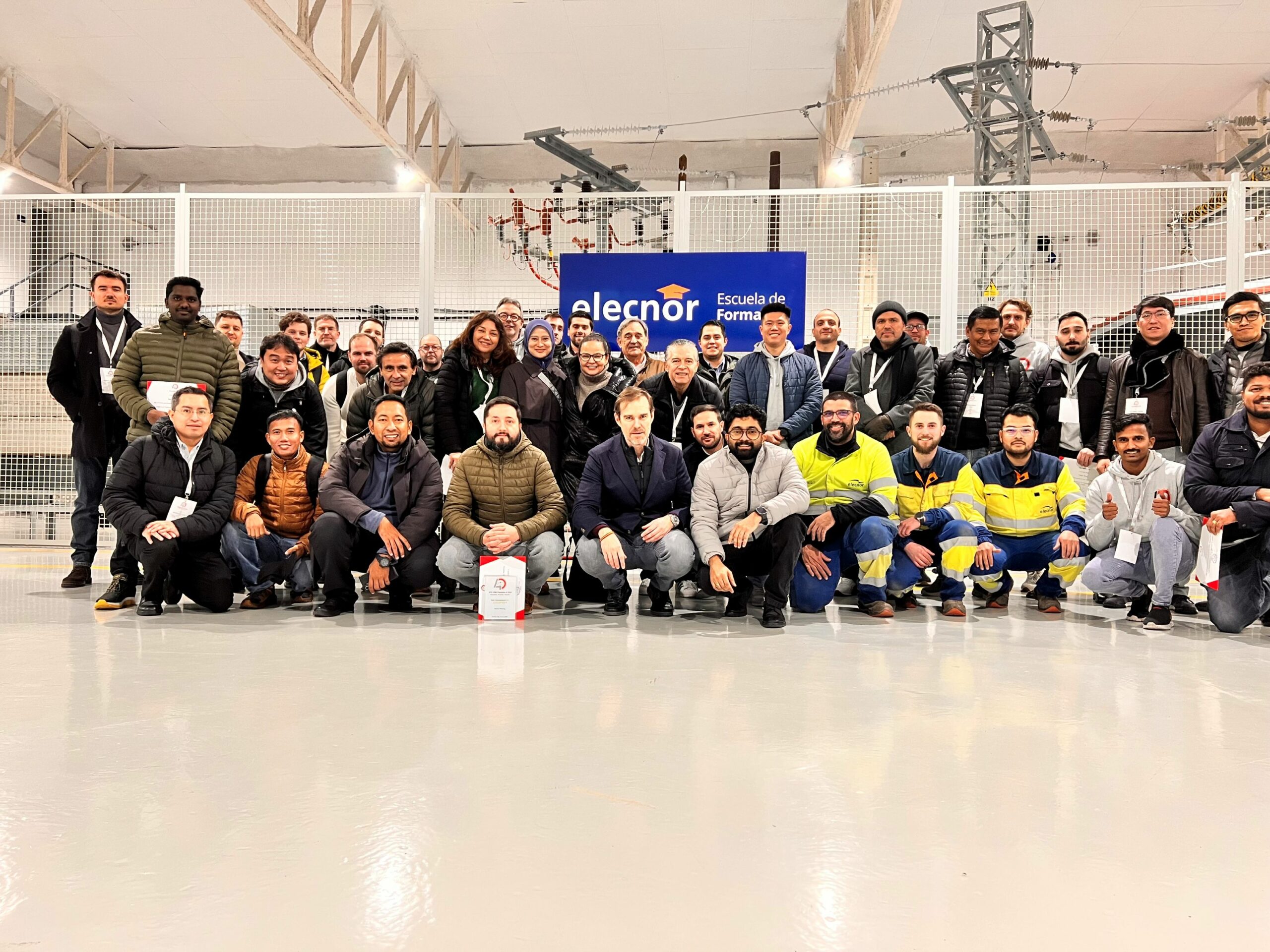
The highlight of the week was hands-on testing with real assets. We performed substation testing scenarios and tested:
– **High-voltage and medium-voltage circuit breakers**, carrying out **circuit breaker testing** such as **circuit breaker trip times**, **phase/pole synchronism**, **contact resistance**, and assessment of the **arcing contact condition**.
– **Current and voltage transformers (CT/VT)** for both metering and protection applications.
– **Protection relays**, with a strong focus on **automatic protection relay testing** and repeatable, field-ready routines.
– **SF6 gas-insulated switchgear (GIS)** as part of an end-to-end approach to switching and protection validation.
Key electrical tests covered throughout the week
Across the sessions, we reviewed and practiced procedures aligned with common commissioning and maintenance requirements:
– **Electrical testing** for verification and maintenance workflows.
– **Substation testing** with emphasis on repeatability, safety, and traceability.
– **Circuit breaker testing**: **circuit breaker trip times**, **phase/pole synchronism**, **contact resistance**, and evaluation of the **arcing contact condition**.
– **Protection relay testing**, including **automatic protection relay testing** to increase consistency and reduce outage time.
– **Primary injection** for end-to-end validation when the full protection chain (primary equipment + measurement + relay) must be verified.
– **Secondary injection** for fast and accurate relay logic, settings, and curve verification.
– Transformer testing procedures, including **transformer short-circuit impedance test**, **transformer saturation test**, **transformer winding resistance test**, and **transformer turns ratio test**.
Beyond running tests, we focused on interpretation: what results mean in the field, how to spot anomalies early, and how to ensure repeatable outcomes between teams and regions.
Key takeaways from partners worldwide
A few recurring themes emerged throughout the week:
– Standardized procedures shorten outage windows and reduce inconsistencies.
– Automation delivers value only when it is designed for the technician: clear steps, guided routines, and results that are easy to interpret.
– Combining **primary injection** and **secondary injection** is essential to achieve the right level of confidence—depending on the risk, the asset, and the objective of the intervention.
– For circuit breakers, consistent measurement of timing, synchronism, resistance, and arcing contact condition supports predictive maintenance and better decision-making.
– Global feedback loops are critical: effective R&D starts with real field constraints.
EuroSMC R&D roadmap: next steps with our partners
We also shared upcoming EuroSMC R&D initiatives and captured structured feedback from partners operating in very different grid environments. This collaboration helps ensure our solutions remain field-driven, practical, and aligned with real commissioning and maintenance needs.
Closing in Madrid: networking and a special visit
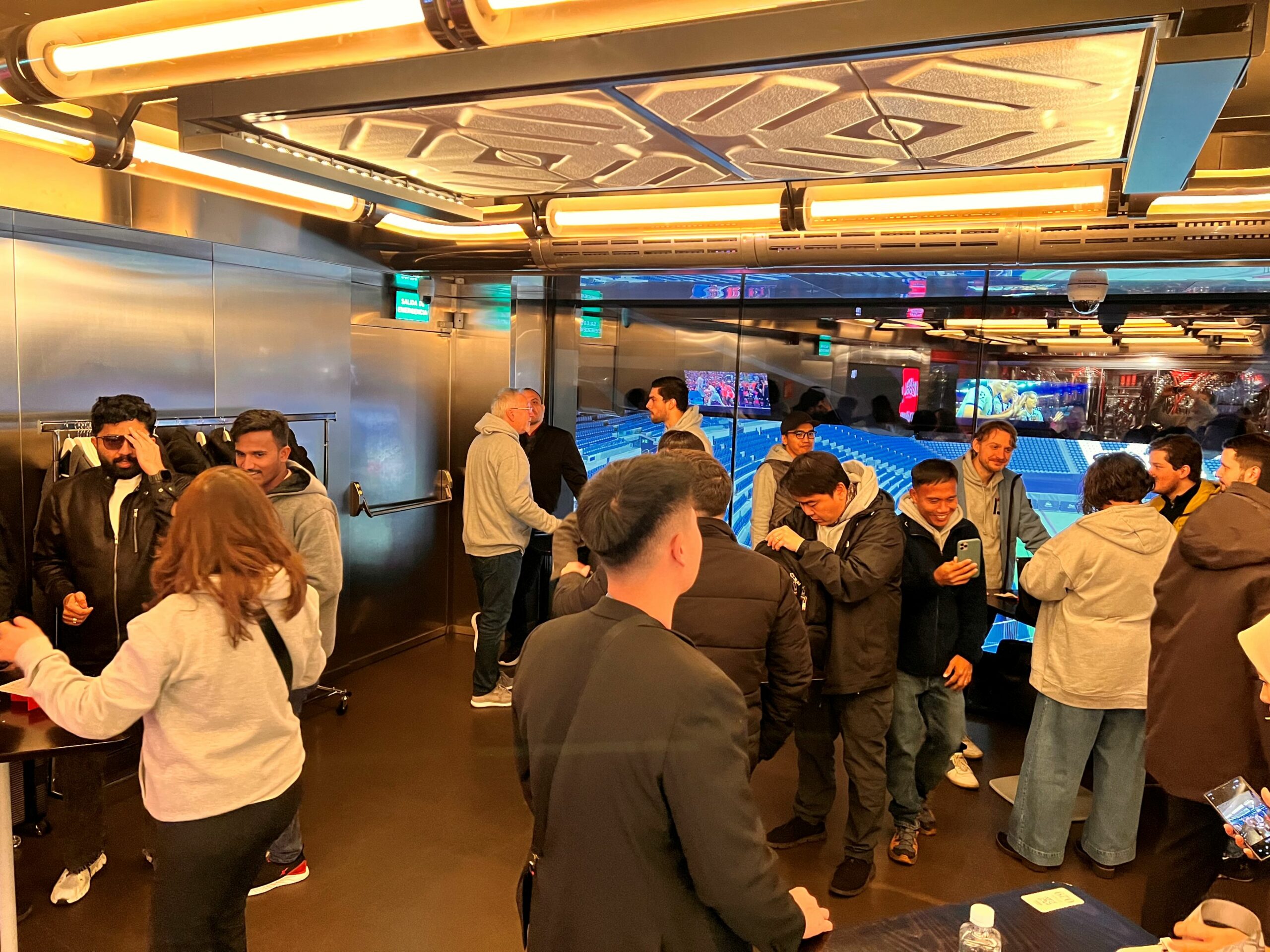
We wrapped up the week with a visit to the **Santiago Bernabéu Stadium Museum**, followed by a farewell lunch at the stadium—an excellent way to strengthen professional connections after an intense and productive week.
Explore our smart solutions for substation testing:
www.smcint.com

