



Pick-Up and Drop-Out Testing of Protection Relays: What It Is, Why It Matters and How to Perform It
In substation commissioning and maintenance, one of the most important tests is verifying the pick-up and drop-out values of protection relays. These parameters define exactly when a relay starts operating and when it resets, ensuring reliable protection system performance.
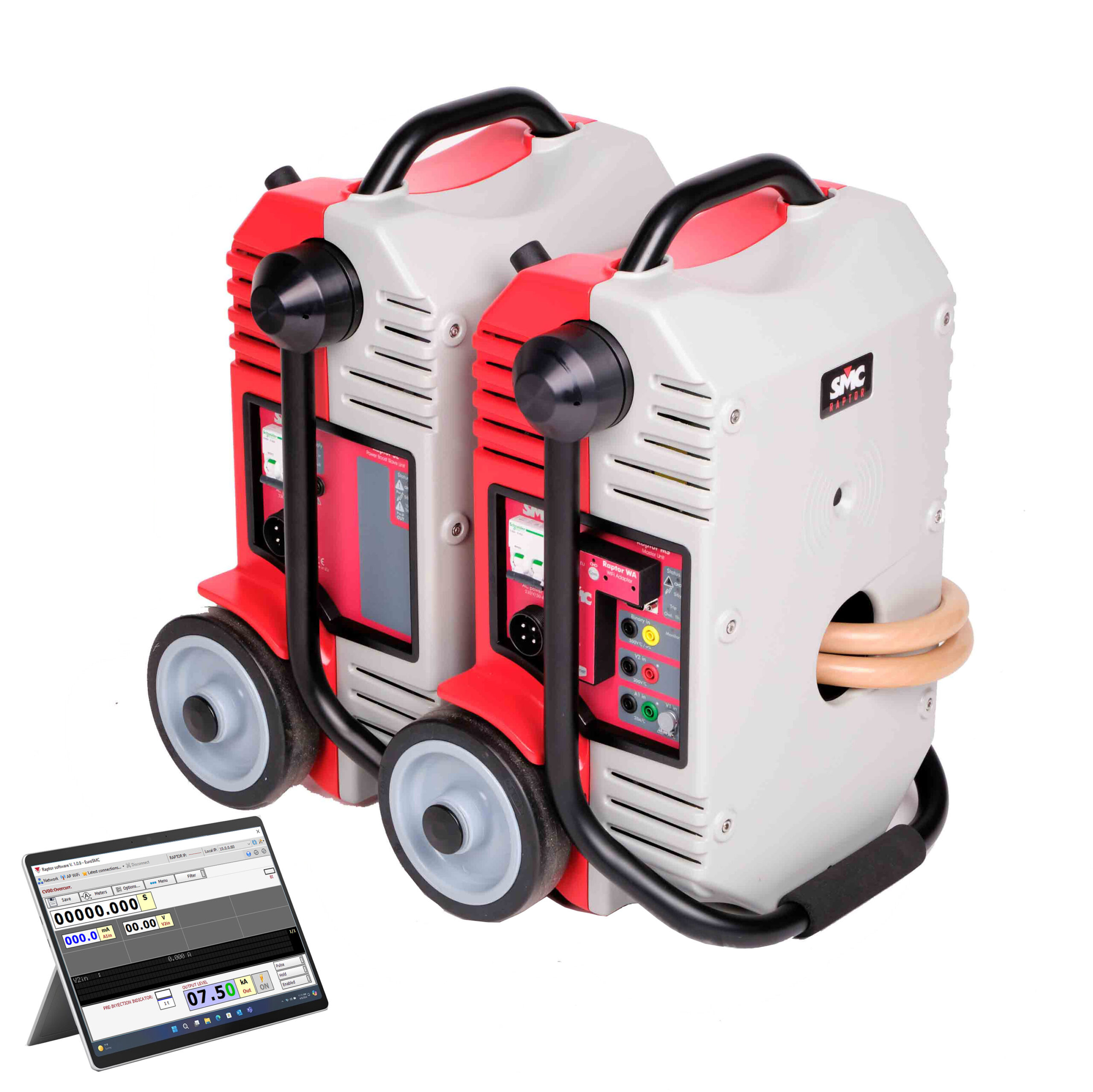
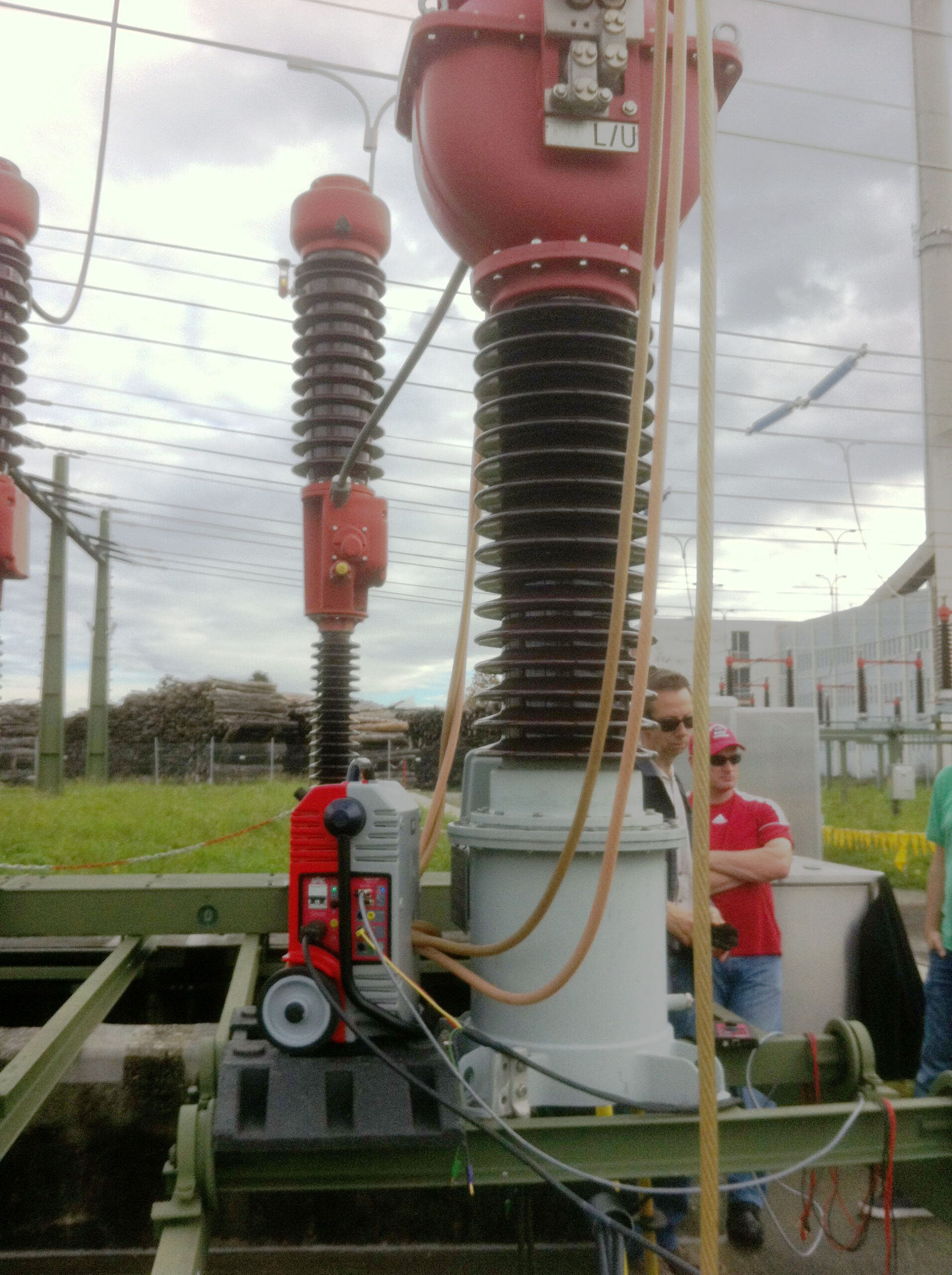
These tests are performed using relay test equipment, either through secondary injection or through primary injection using high-current injection equipment.
In this article, we explain what these concepts mean, why they are critical for electrical protection, and how these tests are carried out in the field.
What is relay pick-up?

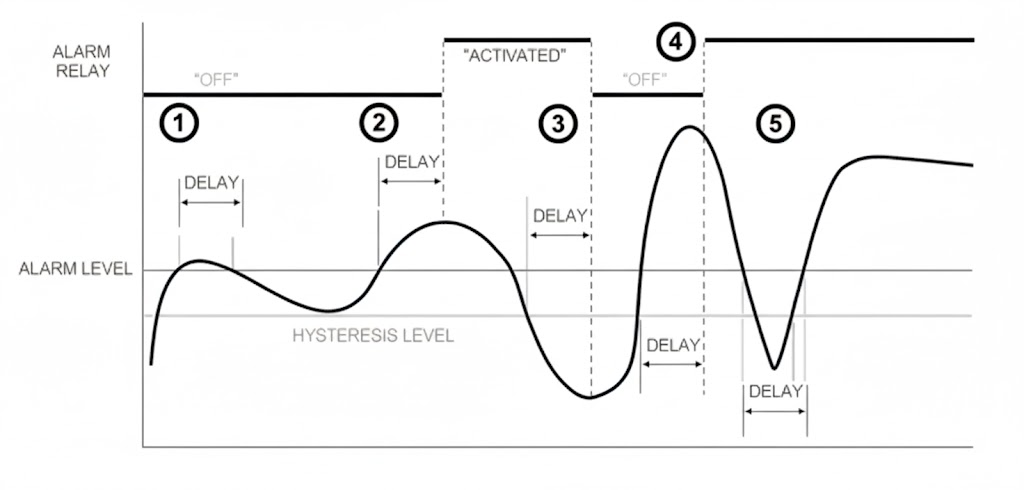
The pick-up value is the minimum current or voltage level at which a protection relay starts to operate.
For example, in overcurrent protection, the relay begins operating when the current exceeds the configured pick-up setting.
This parameter defines the sensitivity of the protection scheme.
If the pick-up value is too low, nuisance tripping may occur. If it is too high, the system may fail to detect real faults.
What is drop-out?
The drop-out value is the level at which the relay resets after it has operated.
In simple terms:
- Pick-up: point where the relay operates
- Drop-out: point where the relay resets
The difference between these values creates hysteresis, which helps prevent unstable relay operation near the threshold.
Why pick-up and drop-out testing is important
Testing ensures that:
- relay settings are correctly configured
- the relay hardware works properly
- the protection system operates reliably during real fault conditions
These tests are a standard part of substation commissioning, periodic maintenance, and troubleshooting after system events.
Test methods: secondary injection vs primary injection
1. Secondary injection
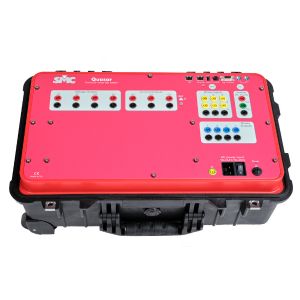
Secondary injection consists of applying current or voltage signals directly to the relay inputs.
It is mainly used for:
- functional testing
- settings verification
- protection logic checks
Its main advantages are speed, safety, and the fact that it does not require high power. That is why it is widely used with relay test equipment during commissioning and maintenance.
2. Primary injection
Primary injection consists of applying current directly into the primary circuit, such as current transformers, busbars, or breakers.
This method uses high current injection equipment capable of delivering high current levels to verify not only the relay but the complete protection path.
It is used when the objective is to verify:
- current transformers
- complete wiring
- overall protection system operation
The main advantage of primary injection is that it confirms that the entire protection system is working correctly, not just the relay itself.
How to perform a pick-up and drop-out test
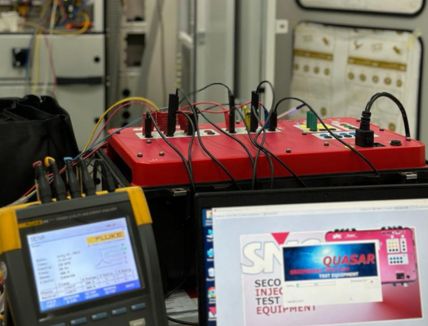
Step 1 — Configure the test equipment
Connect the relay to a relay test set and verify the protection settings beforehand.
Step 2 — Increase the current gradually
The current is increased using an ascending ramp until the relay detects the operating condition.
The value at which the relay starts operating is the pick-up value.
Step 3 — Decrease the current
The current is then reduced using a descending ramp until the relay returns to its initial state.
That point corresponds to the drop-out value.
Step 4 — Compare results with relay settings
The measured results should be compared with:
- configured settings
- manufacturer tolerances
- protection coordination criteria
Equipment used for these tests
Different test solutions are used depending on the application.
For secondary injection
- multifunction relay test systems
- programmable current and voltage sources
- test automation software
For primary injection
- high current injection equipment
- current transformer test systems
- breaker verification equipment
These solutions allow real fault conditions to be simulated in a controlled and repeatable way.
Conclusion
Pick-up and drop-out testing is essential to ensure the correct operation of protection systems in substations.
Through secondary injection, engineers can quickly verify relay performance, while primary injection using high-current injection equipment makes it possible to test the entire protection circuit.
Using reliable and accurate relay test equipment is key to ensuring safety, selectivity, and continuity of electrical supply.

